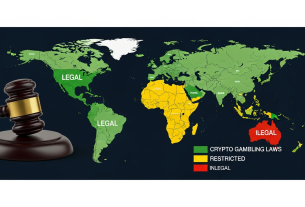

The intersection of technology and gambling has produced one of the most dynamic and heavily regulated industries in the modern digital economy. As online betting platforms, mobile casino applications, and fantasy sports services proliferate across global markets, the need for robust responsible gambling regulations has never been more pressing. For technology professionals, compliance officers, and platform developers, understanding these regulations is not merely a legal obligation—it is a fundamental pillar of sustainable product design and ethical innovation. This article explores the evolving landscape of responsible gambling regulations, the technological frameworks that support them, and the strategic considerations that organizations must address to operate responsibly in a complex global marketplace.
The Foundation of Responsible Gambling Regulation
Responsible gambling regulations are legal and administrative frameworks designed to minimize the harm associated with gambling activities while preserving the freedom of adults to participate in regulated markets. These regulations typically emerge from a combination of legislative action, regulatory agency mandates, and industry self-governance standards. The core objective is consistent across jurisdictions: protect vulnerable individuals, ensure fair play, prevent criminal activity, and promote transparency in operations.
Technology has fundamentally reshaped how these regulations are conceived and enforced. Where traditional land-based gambling relied heavily on physical supervision and on-site interventions, digital platforms require automated, scalable, and data-driven compliance mechanisms. This shift has created new categories of regulatory requirements—such as real-time player monitoring, algorithmic harm detection, and cross-border data compliance—that technology teams must design into their systems from the ground up.
Key Regulatory Bodies and Jurisdictions
Responsible gambling oversight varies significantly by region. The following table summarizes several prominent regulatory frameworks and their primary focus areas:
| UK Gambling Commission (UKGC) | United Kingdom | Player protection, affordability checks, advertising standards |
| Malta Gaming Authority (MGA) | Malta / EU | Licensing, AML compliance, responsible gaming tools |
| New Jersey Division of Gaming Enforcement | New Jersey, USA | Online casino and sportsbook integrity, self-exclusion |
| Australian Communications and Media Authority | Australia | Interactive gambling prohibitions, advertising restrictions |
Each jurisdiction imposes distinct requirements, which means that platforms operating internationally must implement flexible compliance architectures capable of adapting to regional rules without compromising user experience or system performance.
Core Principles of Responsible Gambling Compliance
Despite regional variations, responsible gambling regulations generally converge on several shared principles. Understanding these principles allows technology teams to build modular compliance features that can be configured for multiple markets.
1. Age Verification and Identity Assurance
Preventing minors from accessing gambling services is a universal regulatory priority. Robust age verification typically involves integration with government databases, credit reference agencies, or third-party identity verification providers. Modern implementations leverage biometric verification, document scanning, and machine learning to detect fraudulent attempts at circumventing age gates.
2. Self-Exclusion and Cooling-Off Periods
Regulators require platforms to offer users the ability to voluntarily exclude themselves from gambling activities. These mechanisms must be technically reliable, immediately enforceable, and resistant to circumvention. A well-designed self-exclusion system includes:
- Immediate account suspension across all linked products
- Minimum exclusion durations mandated by law
- Prevention of new account creation during exclusion periods
- Integration with national self-exclusion registers where applicable
- Clear communication of the consequences and duration of exclusion
3. Responsible Marketing and Advertising
Advertising regulations restrict how gambling products can be promoted, particularly regarding vulnerable populations. Requirements often include mandatory responsible gambling messaging, prohibitions on targeting minors, and restrictions on bonus promotions that could encourage excessive play. Technology platforms must enforce these rules across web, mobile, social media, and affiliate networks.
4. Anti-Money Laundering (AML) and Know Your Customer (KYC)
AML and KYC obligations are closely tied to responsible gambling. Platforms must monitor transactions, verify customer identities, and report suspicious activity. Automated transaction monitoring systems, powered by artificial intelligence, are now standard in jurisdictions with mature regulatory regimes.
5. Harm Detection and Intervention
Advanced regulators increasingly require operators to actively identify and intervene with players exhibiting signs of problematic behavior. This includes analyzing behavioral patterns such as:
- Escalating deposit frequency or amounts
- Chasing losses through rapid re-betting
- Extended session durations without breaks
- Multiple account creation attempts
- Declining deposit limits or refusing to set limits
Machine learning models can flag these patterns in real time, triggering interventions such as personalized messaging, mandatory cool-off periods, or direct outreach from responsible gambling teams.
Technological Infrastructure for Compliance
Implementing responsible gambling regulations at scale demands a sophisticated technology stack. Key components include:
Cloud-native architectures, microservices, and event-driven design patterns are particularly well-suited to these requirements, offering the scalability and resilience needed for high-volume gambling platforms.
Challenges and Emerging Trends
The regulatory landscape continues to evolve rapidly. Several trends are shaping the future of responsible gambling compliance:
- Harmonization Efforts: While full global harmonization remains unlikely, regional blocs such as the EU are pushing for greater consistency in responsible gambling standards.
- AI and Explainability: Regulators are increasingly scrutinizing AI-driven harm detection systems, demanding transparency and explainability in algorithmic decision-making.
- Open Banking and Affordability Checks: Some jurisdictions now require operators to assess player affordability using banking data, raising significant privacy and data security considerations.
- Cross-Border Data Transfer: Compliance with data protection laws such as GDPR adds another layer of complexity to global operations.
For technology leaders, these trends underscore the importance of building compliance into the core of product development rather than treating it as an afterthought. Ethical design, transparent data practices, and proactive engagement with regulators will distinguish market leaders from those who struggle to keep pace.
Conclusion
Responsible gambling regulations are not static obstacles to innovation—they are dynamic frameworks that shape how digital gambling products should be built, deployed, and maintained. For technology professionals operating in this space, deep regulatory literacy is a competitive advantage. By embedding compliance into architecture, leveraging data responsibly, and prioritizing player protection, organizations can build platforms that are both commercially successful and ethically sound. As regulations continue to tighten and technology advances, the most resilient operators will be those that treat responsible gambling not as a checkbox, but as a core engineering principle.