In the digital age, the gambling industry has evolved from land-based casinos into a sophisticated global tech sector. With this evolution comes a critical question: how can players be certain that the games they play are fair, their funds are secure, and their personal data is protected? The answer lies with gambling regulators. These organizations serve as the invisible architecture of trust, combining legal authority with advanced technology to safeguard players. For anyone operating in or around the iGaming space, understanding this framework is essential.
The Core Mandate of Gambling Regulators
Gambling regulators are governmental or independent statutory bodies responsible for licensing, monitoring, and enforcing standards across the gambling industry. Their mandate extends far beyond collecting license fees. They exist to ensure that operators act with integrity, that games produce random outcomes, and that vulnerable individuals are shielded from harm. In practical terms, regulators function as the gatekeepers of a multi-billion-dollar ecosystem, balancing commercial innovation with public protection.
Regulators such as the UK Gambling Commission, the Malta Gaming Authority, and the Pennsylvania Gaming Control Board operate under distinct legal frameworks, yet they share common objectives. These include preventing crime, ensuring fair play, and protecting children and vulnerable adults from exploitation. The effectiveness of these bodies directly influences player confidence, which in turn drives market sustainability.
Licensing: The First Line of Defense
Before an operator can accept a single bet, it must obtain a license. This process is deliberately rigorous and serves as the primary filter for protecting players. Regulators assess applicants across several dimensions, including financial stability, technical capability, and corporate governance.
Due Diligence and Background Checks
Regulators conduct extensive background checks on company directors, major shareholders, and key personnel. Any history of fraud, organized crime links, or regulatory violations can result in immediate rejection. This prevents bad actors from entering the market and ensures that only reputable firms operate.
Technical Audits and Certification
Operators must demonstrate that their platforms meet strict technical standards. Independent testing laboratories, such as eCOGRA or GLI, verify that random number generators (RNGs) produce unpredictable outcomes and that payout percentages match advertised rates. Regulators review these certifications before granting approval.
Ensuring Game Fairness Through Continuous Audits
Licensing is not a one-time event. Regulators require ongoing compliance, and random audits are a cornerstone of player protection. These audits examine server logs, payout histories, and game code to detect anomalies. If an operator manipulates odds or misrepresents return-to-player (RTP) percentages, regulators can impose fines, suspend licenses, or revoke them entirely.
In addition to technical audits, regulators mandate that operators publish RTP information and game rules in clear language. This transparency empowers players to make informed decisions and holds operators accountable for the products they offer.
Player Fund Protection and Responsible Gambling Tools
Regulators enforce strict rules on how operators handle player deposits. In many jurisdictions, player funds must be held in segregated accounts, separate from the operator’s operating capital. This ensures that if an operator becomes insolvent, player balances remain protected and can be returned.
Regulators also require operators to implement responsible gambling tools. These include:
- Deposit limits that cap how much a player can add to their account over a set period.
- Loss limits that prevent excessive losses within a single session or day.
- Session time reminders that alert players when they have been gambling for an extended period.
- Self-exclusion programs that allow players to ban themselves from gambling for a chosen duration.
- Reality checks that display net wins or losses during play.
These tools are not optional. Regulators audit operators to confirm that the tools function correctly and that players can access them easily. Failure to comply can result in substantial penalties.
Data Security and Privacy Safeguards
Player data is a valuable asset, and regulators treat it as such. Operators must comply with data protection laws, such as the General Data Protection Regulation (GDPR) in Europe, and implement robust cybersecurity measures. Regulators require encryption of personal and financial data, multi-factor authentication, and regular penetration testing.
Breaches must be reported to regulators within strict timeframes. In cases of negligence, regulators can levy fines proportional to the severity of the breach and the number of affected players. This creates a strong incentive for operators to invest in security infrastructure.
Complaint Resolution and Dispute Mechanisms
Even with robust safeguards, disputes arise. Regulators provide formal channels for players to file complaints when they believe an operator has acted unfairly. These channels typically follow a tiered process:
This structured approach ensures that players have recourse without resorting to costly litigation. Regulators track complaint data to identify patterns and target operators with poor records.
Enforcement: When Regulators Take Action
Enforcement is where regulators demonstrate their teeth. Penalties for non-compliance range from warnings and fines to license suspensions and criminal prosecution. The table below summarizes common violations and typical regulatory responses.
| Advertising breaches | Targeting minors with gambling ads | Fines, mandatory advertising bans, license review |
| AML failures | Inadequate anti-money laundering checks | Multi-million-dollar fines, senior management sanctions |
| Game integrity issues | Manipulated RNG or incorrect RTP | Immediate game removal, license suspension |
| Player fund mismanagement | Commingling player and operational funds | License revocation, criminal referrals |
| Responsible gambling failures | Ignoring self-exclusion requests | Fines, mandated remediation programs |
High-profile enforcement actions send a clear message: player protection is non-negotiable. In recent years, regulators have issued record fines, signaling a shift toward stricter oversight and greater accountability.
The Role of Technology in Modern Regulation
Regulators increasingly leverage technology to enhance player protection. Data analytics platforms monitor operator activity in real time, flagging suspicious patterns such as sudden spikes in complaints or unusual payout ratios. Blockchain-based systems are being explored to create immutable audit trails for game outcomes and financial transactions.
Artificial intelligence also plays a role in identifying problem gambling behavior. By analyzing player activity, regulators and operators can detect early warning signs and intervene before harm occurs. These technological tools complement traditional audits and inspections, creating a more responsive and proactive regulatory environment.
Challenges and the Road Ahead
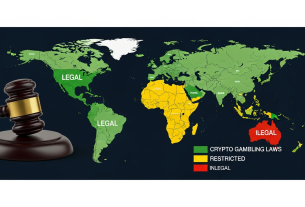
Despite significant progress, regulators face ongoing challenges. The rise of cryptocurrency gambling, offshore operators, and cross-border jurisdictions complicates enforcement. Regulators must collaborate internationally to close loopholes and ensure consistent standards. Meanwhile, rapid technological change demands that regulators remain agile and informed.
For players, the key takeaway is clear: regulated operators are safer than unregulated ones. Checking whether an operator holds a valid license from a reputable regulator is the single most effective step a player can take to protect themselves. Regulators exist to serve the public interest, and their work underpins the legitimacy of the entire gambling industry.
As the tech niche continues to intersect with gambling, the importance of robust regulation will only grow. Players, operators, and regulators all share a common goal: a fair, transparent, and safe environment where entertainment never comes at the expense of security.